When to Clean Moldy Carpet and When to Replace the Underlay
Finding mold in a carpet is unsettling. The musty smell, the discoloration, and the worry about indoor air quality all push for a quick decision. But the right move depends on how deep the problem goes. Cleaning the carpet surface might remove visible stains, but mold in the underlay is a different matter. Understanding the practical differences between cleaning and removing the underlay can save time, money, and repeated trouble.
What Mold in Carpet Actually Means
Mold needs moisture, warmth, and a food source to grow. Carpet fibers and the underlay beneath them can both provide that food. When water sits on a carpet long enough, mold spores that are always present in the air start to colonize. The first sign is often a damp smell that cleaning products only mask temporarily.
Surface cleaning with a steam cleaner or carpet shampoo can remove mold from the top of the fibers. But if moisture has soaked through to the underlay, the mold colony is already established below. The underlay acts like a sponge, holding water against the subfloor. That is where the decision splits. Cleaning the carpet alone will not fix mold that is actively growing in the padding underneath.
Cleaning the Carpet Surface: What It Can and Cannot Do
Professional hot water extraction, sometimes called steam cleaning, can remove mold spores from the carpet face. The process uses high temperature water and a cleaning agent, then powerful suction pulls the dirty water out. This works well when the mold is recent and the underlay is still dry. It is also useful for mild cases where the mold has not penetrated the backing.
But surface cleaning has limits. If the carpet has a thick, absorbent backing or a jute backing, water from the cleaning process can itself become a problem. The extra moisture can soak into the underlay and create new mold growth a few days later. This is why in some cases cleaning can make a mold problem worse. The visible stains disappear, but the underlying issue continues to spread.
Another limitation is odor. Mold in the underlay releases volatile organic compounds that rise through the carpet. No amount of cleaning on the surface will stop that smell because the source is below. The odor will return once the carpet dries.
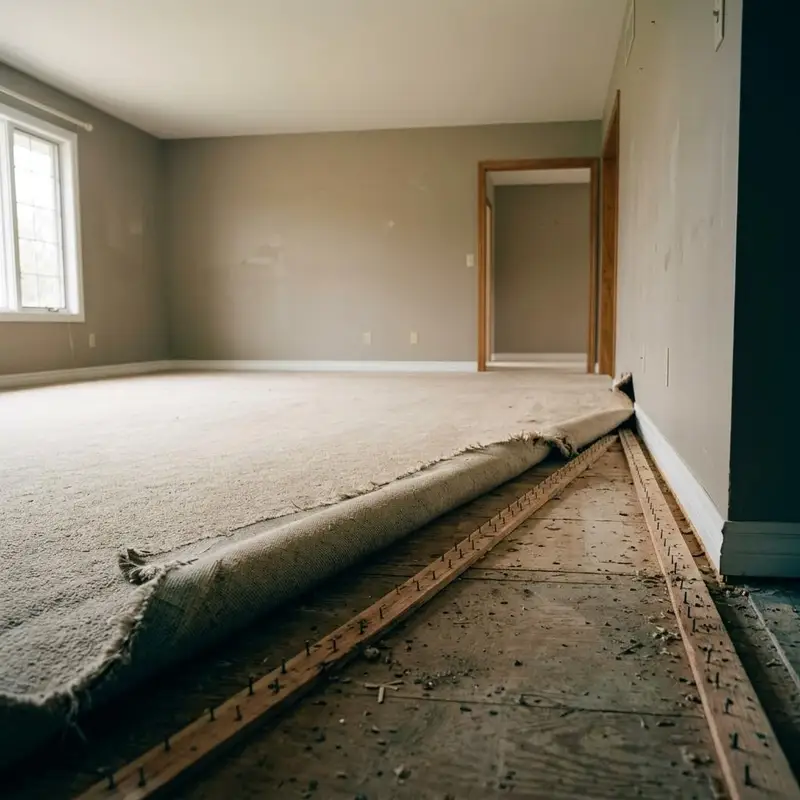
For small, contained spots where the underlay feels dry and the subfloor is sound, cleaning is a reasonable first step. But if the mold covers a large area or the carpet has been wet for more than 48 hours, cleaning alone is unlikely to solve the problem.
In many residential cases, homeowners try cleaning first because it is less disruptive. Furniture can stay in place, and there is no need to dispose of carpet. But if the mold returns within weeks, the underlay has to be addressed.
Removing the Underlay: The Deeper Fix
Removing the underlay means pulling up the carpet, cutting out the padding, and inspecting the subfloor. This is more work and more expense, but it addresses the root of the problem. The underlay is where mold thrives because it stays damp longest. Carpet padding is designed to cushion foot traffic, not to dry quickly. Once it gets wet, it can stay damp for days or weeks, especially if the room has poor ventilation.
When the underlay is removed, the subfloor can be checked for moisture damage. Mold on the underlay often means the subfloor has been wet too. If the subfloor is concrete, it may need drying and sealing. If it is wood, there may be rot that requires replacement. Cleaning the carpet without removing the underlay leaves this inspection undone.
Replacing the underlay also gives the chance to install a material that resists moisture. Some modern underlays are made with synthetic fibers that do not hold water the way natural felt or foam does. Others have antimicrobial coatings. Switching to a moisture-resistant underlay can prevent future mold problems even if the carpet gets wet again.
The practical difference comes down to this: cleaning is a surface treatment, while underlay removal is a system fix. Cleaning works when the mold is only on the fibers. Underlay replacement works when the mold has taken hold in the padding or when there is any doubt about the subfloor's condition.
For situations where the carpet itself is stained but the underlay appears dry, a thorough cleaning followed by drying with fans and dehumidifiers can be effective. But if the carpet has been wet from a leak, flood, or prolonged humidity, the underlay is almost certainly affected. In those cases, skipping straight to removal is the more reliable path.
Signs That Point to Underlay Replacement
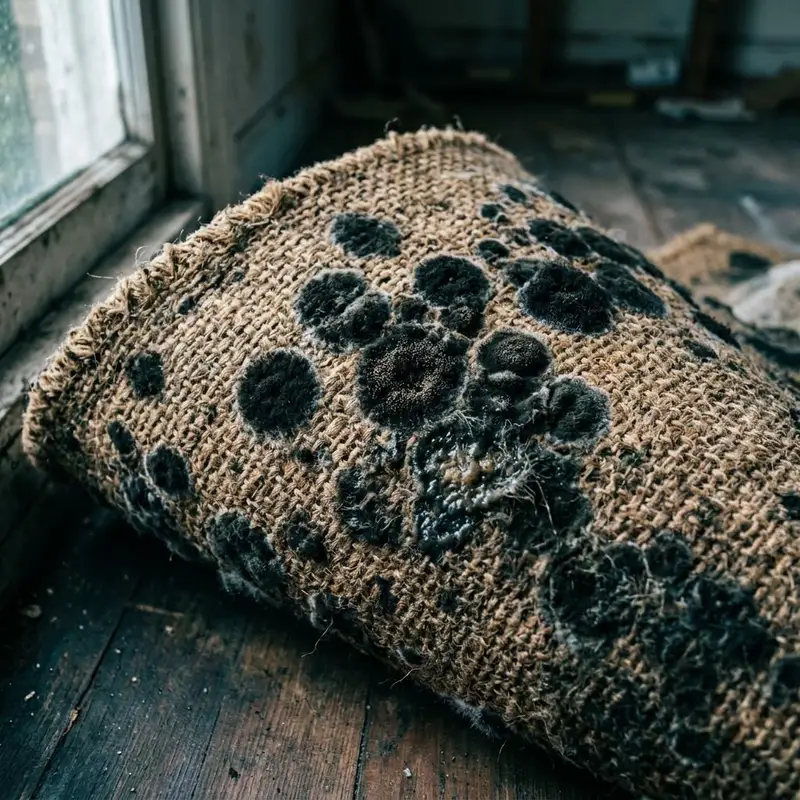
Some indicators are easy to spot. A musty smell that returns after cleaning is the most common. Another is visible mold on the carpet backing when you lift a corner. If the carpet feels spongy or damp to the touch in multiple spots, the underlay is holding moisture.
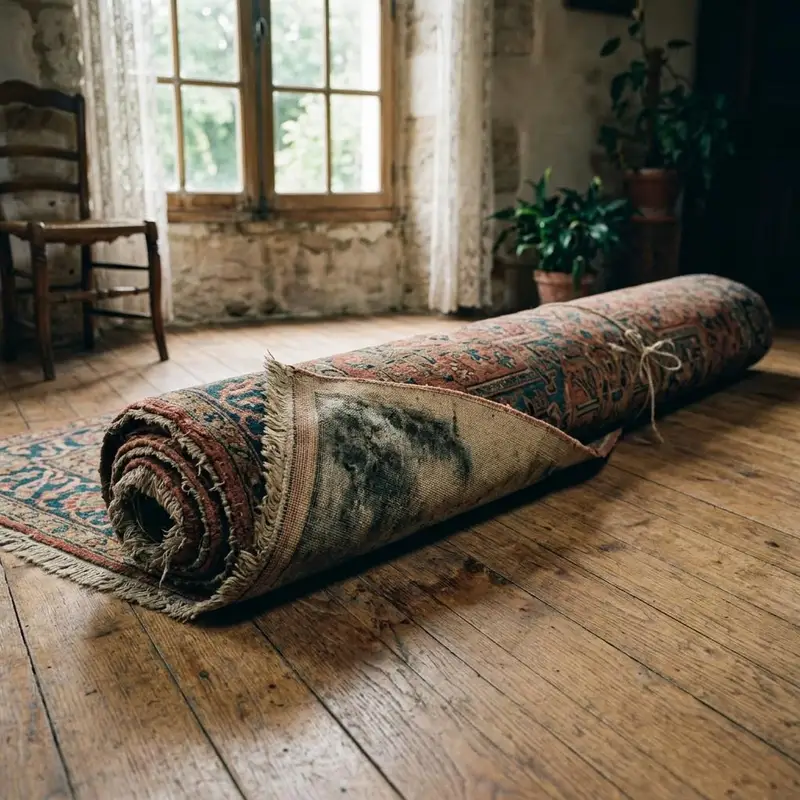
Discoloration on the subfloor beneath the carpet is another clue. If you lift the carpet and see dark patches on the concrete or wood, mold has been growing there. At that point, cleaning the carpet is pointless because the spores will keep coming from below.
Health symptoms in people who spend time in the room can also signal a mold problem that cleaning cannot fix. Worsening allergies, respiratory irritation, or headaches that clear up when leaving the room suggest airborne spores from the underlay. Surface cleaning will not reduce those airborne levels significantly.
When any of these signs are present, the right step is to remove and replace the underlay. Cleaning the carpet alone will be a temporary fix at best.
For homeowners who want a thorough solution, Carpet Mold Removal Services Pros carpet mold removal services provide the expertise to assess whether cleaning is sufficient or if underlay replacement is needed. They can identify moisture sources, remove contaminated materials, and dry the structure properly. This kind of professional assessment is especially valuable when the cause of the moisture is unclear, such as a slow leak behind a wall or high humidity from a crawl space.
When Cleaning Makes Sense
There are valid scenarios where cleaning is the better choice. If the underlay is dry and the mold is only on the surface, cleaning is faster and cheaper. For example, a spot of mold from a spilled drink that was cleaned up quickly usually does not reach the underlay. A light cleaning followed by drying can handle it.
Cleaning also makes sense when the carpet is new or expensive and the underlay is in good condition. In rental properties, cleaning may be tried first because replacement costs more and requires more downtime. But the decision should be based on moisture exposure, not convenience.
Another case is when the carpet is scheduled for replacement soon anyway. If you plan to replace the carpet within a year, cleaning the mold temporarily may be acceptable while you save for the full replacement. Just be aware that the mold in the underlay may worsen during that time.
In all cleaning scenarios, the key is to dry the carpet thoroughly afterward. Use fans, open windows, and run a dehumidifier for at least 48 hours. Without drying, the moisture from cleaning can create a new mold problem even if the original one was minor.
The Bottom Line on Carpet Underlay Replacement
The choice between cleaning and underlay replacement comes down to how deep the moisture has gone. If the underlay is wet, replacement is the only way to stop the mold. If the underlay is dry, cleaning can work for surface mold.
Homeowners who are unsure can do a simple test: press a paper towel against the carpet in several places. If the towel picks up moisture or the carpet feels cool and damp, the underlay is wet. Another test is to lift a corner of the carpet and feel the underlay with your hand. If it is damp or crumbly, it needs to go.
For those who prefer to have a professional evaluate the situation, Carpet Mold Removal Services Pros carpet mold removal services can inspect the carpet and underlay, determine the extent of mold growth, and recommend the appropriate course of action. Their focus on identifying moisture, removing contaminated materials, and drying the structure ensures that the underlying cause is addressed.
Whether you choose to clean or replace, the goal is the same: a carpet that is truly free of mold, not just cosmetically clean. The difference lies in whether the solution is temporary or permanent.